
Suite 420 100 N 27th Street
Billings, MT
Call Us Now For A Free Case Evaluation
Call Now For A Free Case Evaluation
Innovative & Results Driven
Injury Legal Services
• Personal Injury
• Auto/vehicle accidents
• Wrongful death
• Dog bites
• Alcohol Liability/DRAM Shop
FREE CASE EVALUATION
FREE CONSULTATION
NO WIN NO FEE GUARANTEE
Get Legal Advice Today!
Injury Legal Services
• Personal Injury
• Auto/vehicle accidents
• Wrongful death
• Dog bites
• Alcohol Liability/DRAM Shop
FREE CASE EVALUATION
NO WIN NO FEE GUARANTEE
Get Compensated For

Medical Expenses
After an accident, medical bills can stack up quickly. We'll make sure you get the medical treatment you need, with no out-of-pocket costs.

Lost & Future Wages
When you can't work, you can't pay your bills. We'll fight for the money you could have earned in your career if the accident hadn't stopped you.

Pain & Suffering
All other damages including physical impairments, mental anguish, personal inconveniences, or loss of capacity to life now and in the future.
Local Cases
Our lawyers have Local and State Wide experience to help you build a winning local case, right here in your hometown.
We strive to establish life-long relationships with our clients, beyond your personal injury case. Your case is important to us, but so are you.
We strive to establish life-long relationships with our clients, beyond your personal injury case. Your case is important to us, but so are you.

Dynamic Attorneys
We use our strengths to get you results - analytical thinking, hard work and “thinking outside the box”.
Complex cases require a mix of skills and talents to resolve the matter successfully.

Passionate Legal Practice
Few experiences in life can be as devastating, frustrating, and as life altering as suffering a personal injury case because of someone else’s negligent actions.
Many times the careless and negligent actions of others result in the loss of life of a loved one. Client satisfaction is our main priority.
Our law firm consists of professionals who provide personal attention to each of our clients and who also have extensive experience and knowledge of the judicial system and personal injury law.

You may be nervous about calling a car accident attorney. Some people think it may cost money, others think they don’t want to harm the life of the person who caused the accident.
With our “No Win, No Fee, Guarantee”, you don’t have to worry about paying attorney fees. It’s simple, if we don’t get money from the insurance companies, there are no attorney fees.
Settlement and verdicts come from insurance companies, not individuals.
Medical care may be immediately available through our extensive network of medical professionals.
We can come to you, or you can come to us. Evening and weekend appointments.
Put the power of an experienced law firm on your side, today.
Don’t risk and insurance company saying they accept responsibility only to find they don’t help you now and later offer pennies on the dollar.
We offer a no obligation consultation.
After a car wreck, talk to an experienced member of our car accident lawyer team. Our team of dedicated injury lawyer’s will ensure that you receive compensation when eligible, for medical costs, lost wages and pain and suffering, past, present and future.

State Wide Reach
Have you been injured at no fault of your own? Are you suffering from the effects of an auto accident? Do you believe that your injury has negatively impacted your quality of life? If so, you need to get in contact for your free consultation.
Anyone in California who needs a personal injury lawyer should give us a call to learn about our services, our “we don’t collect unless you do!” policy, and how we can meet and exceed your needs.
Our law firm has been in service for more than 20 years, putting our clients first and protecting their rights. We know what it takes to battle for your rights and get you the compensation you deserve!
Auto accidents can greatly affect your life, even if they aren’t your fault, and we believe our experience and knowledge is the best option to get the most out of your personal injury case.

Hunter B.
Craig is an amazing attorney. Before I had Craig, I would call and call and email and email my old attorney and I had to wait weeks for replies. Deciding to switch to Craig was the best choice I had made.
From day one Craig was attentive. He made sure I understood my options every step of the way and he fought for me tooth and nail.
If you call Craig he will always call back. If you need to talk at 8pm on a Sunday, he is available. I have never worked with an attorney who is as available and as committed as Craig.
Craig was worth every single penny.

Taylor L.
Craig helped me resolve my case quickly and he was great to work with. I am very happy with my experience with Craig. He is very responsive, professional, and kind. I highly recommend Hensel Law!

Peter D.
Craig was incredibly helpful in diffusing what was bound to otherwise turn into a very ugly situation with our prior property management company. Being forced to take legal action is a very stressful endeavor, so the fact Craig was able to resolve our issue by merely sending a few letters and corresponding emails is a true testament to his legal acumen. He was very knowledgeable regarding the underlying issues but most importantly, he was responsive. We would highly recommend Craig's services to anyone in need of legal intervention.

Haley S.
From the beginning, Craig was on top of making sure we had what we needed for my case and communicated VERY well about what was going on. Any questions I had, he always answered right away and was up front about everything. All in all, he was extremely helpful and made a stressful situation basically worry free for me. 100% recommend.

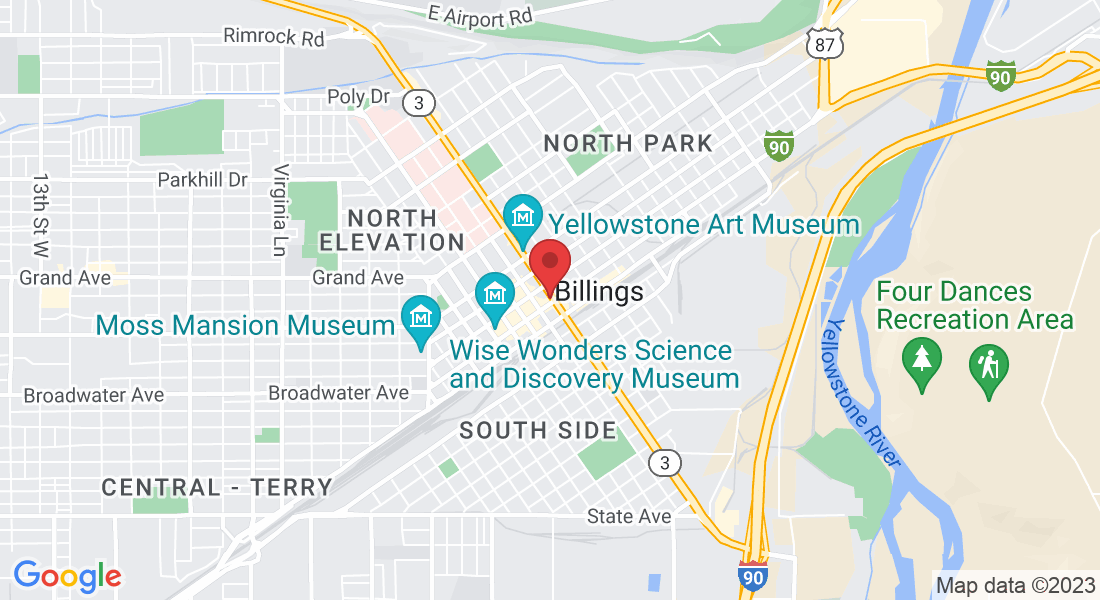

Drop in and visit us!
Suite 420
100 N 27th Street
Billings, MT 59101
Call now for a Free Case Evaluation: (406) 290-3294
© Hensel Law Copyright 2022. All Rights Reserved.
The information on this website is for general informational purposes only. Nothing on this site should be taken as legal advice for any individual case or situation. Viewing the information contained herein or submitting a request to be contacted does not create an attorney client relationship with Hensel Law, PLLC.